Kwon Hyunyoung Women's Clinic Doctor's Column
Obstetrics & Gynecology Column

Gardasil 9 vs Gardasil 4: How Do They Differ and Who Is Each One For?

The differences between Gardasil 4 and Gardasil 9 in the HPV types covered and prevention rates, the research findings, and how to choose according to age and vaccination history.

Published 2026-11-16 Updated 2026-11-16 Reviewed by Hyunyoung Kwon, Medical Director · Obstetrics & Gynecology Specialist

Many people wonder whether to get Gardasil 4 or Gardasil 9. The number in each vaccine's name is the number of HPV types it can prevent, and while Gardasil 9 covers a wider range, Gardasil 9 is not the right answer for everyone. This article sets out the differences between the two vaccines, a comparative study, how to choose by age and situation, and why regular check-ups are needed even after vaccination.

01

How do Gardasil 4 and Gardasil 9 differ?

Key point
The number after the name Gardasil is the number of HPV types the vaccine can prevent. Gardasil 4 targets four types, 6, 11, 16 and 18, while Gardasil 9 adds types 31, 33, 45, 52 and 58 for nine types in all, and the prevention rate has risen from about 70% to about 90%.

Human papillomavirus, or HPV, comes in a number of types, which are broadly classified as low-risk types that cause genital warts and high-risk types that cause various genital cancers, including cervical cancer. Gardasil 4 protects against low-risk types 6 and 11 and high-risk types 16 and 18, and Gardasil 9 widens the range of prevention by adding five high-risk types to those same four.

Among the additional types Gardasil 9 protects against, types 52 and 58 are high-risk types mainly detected in Korean women, so Gardasil 9 vaccination can reduce the risk of cervical cancer in Korean women more thoroughly. As the range of prevention has widened, the power to counter the virus has also become stronger.

  • Gardasil 4 types — protects against four types: low-risk 6 and 11 and high-risk 16 and 18
  • Gardasil 9 types — protects against nine types: the four in Gardasil 4 plus 31, 33, 45, 52 and 58
  • Difference in prevention rate — about 70% for Gardasil 4, rising to about 90% for Gardasil 9

Anatomy illustration related to Gardasil 9 vs Gardasil 4: How Do They Differ and Who Is Each One For?
02

How much did the protective effect of Gardasil 4 and Gardasil 9 differ in research?

Key point
In a study comparing Gardasil 4 and Gardasil 9 in women aged 16 to 26, the rate of high-grade cervical, vulvar and vaginal disease after completing 3 doses was 0.4 cases per 1,000 person-years with Gardasil 9 and 1.6 with Gardasil 4. Gardasil 9 protects more widely, but Gardasil 4 also showed a meaningful preventive effect.

In a study comparing Gardasil 4 and Gardasil 9 in women aged 16 to 26, testing after 3 doses of either vaccine had been completed showed rates of high-grade cervical, vulvar and vaginal disease per 1,000 person-years of 0.4 cases with Gardasil 9 and 1.6 cases with Gardasil 4. A person-year is 1 person observed for 1 year.

In that study Gardasil 9 prevented a wider range of high-grade disease, but Gardasil 4 also showed a meaningful level of protection. Having received Gardasil 4 does not mean the vaccination had no effect, and it is reasonable to set different criteria for choosing according to the person's age and infection history.
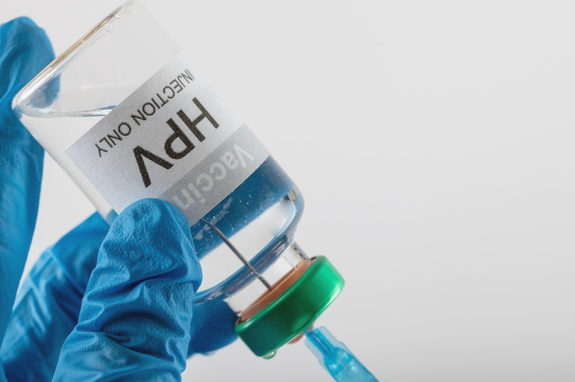
Anatomy illustration related to Gardasil 9 vs Gardasil 4: How Do They Differ and Who Is Each One For?
03

When is Gardasil 9 suitable, and when is Gardasil 4?

Key point
If 10 years or more have passed since receiving Gardasil 4, or if a person is sexually experienced and has had an HPV-related disease, blocking a wider range of types with Gardasil 9 is recommended. For adolescents, when the goal is basic prevention of cervical cancer, Gardasil 4 is also a worthwhile option.

When someone who has already received Gardasil 4 is revaccinated with Gardasil 9, they gain added immunity to the five high-risk virus types not included in Gardasil 4, which has the effect of laying a stronger layer of protection over the existing one. Revaccination is of great value if 10 years or more have passed since Gardasil 4 vaccination, or if the person is sexually experienced and has had an HPV-related disease.

Girls aged 12 to 17 can receive national support for Gardasil 4, which reduces the cost burden. HPV is not a problem for women alone. Genital warts, which are common in men, can be prevented with Gardasil 4 as well, but because men can pass high-risk viruses to a partner, Gardasil 9 is also a choice for men that protects their partner too.

  • 10 years or more since Gardasil 4 — revaccination with Gardasil 9 is recommended to widen the range of prevention
  • Sexually experienced and has had an HPV-related disease — Gardasil 9, which blocks a wider range of types, is recommended
  • Girls aged 12 to 17 — eligible for national support for Gardasil 4, and Gardasil 4 is also sufficient for basic prevention
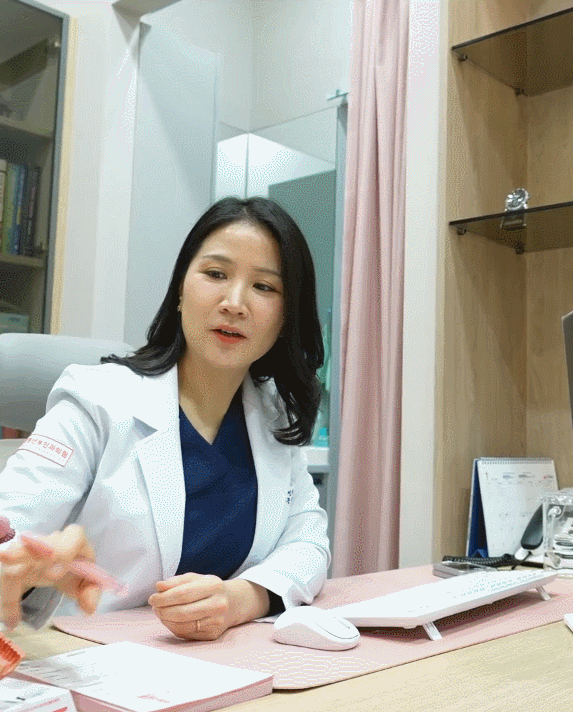
Hyunyoung Kwon, Medical Director
Doctor's view

How the doctor decides

Hyunyoung Kwon, Medical Director · Obstetrics & Gynecology Specialist

I do not say Gardasil 9 is always the right answer

It is clear that Gardasil 9 blocks a wider range of types than Gardasil 4, but I do not tell everyone that Gardasil 9 is the right answer. For adolescents whose goal is basic prevention of cervical cancer, I consider nationally supported Gardasil 4 a worthwhile option as well. On the other hand, for people whose Gardasil 4 vaccination was 10 years or more ago, or who have had an HPV-related disease, I recommend Gardasil 9 to block a wider range of types.

I look at regular check-ups before the number on the Gardasil

Gardasil is a preventive vaccine that lowers the chance of infection, not a treatment. Conditions such as genital warts do in fact occur in some people after vaccination, so I consider carefully checking one's health through regular check-ups more important than which Gardasil one receives.

I plan with both the number of doses and the check-up results in mind

During a consultation, I recommend the Gardasil that suits the person's age and vaccination history and explain the number of doses precisely. I believe that carrying out basic tests together with detailed screening, and making a treatment and care plan suited to each person based on the results, changes their health 10 or 20 years from now.

Summary

In summary

The difference between Gardasil 4 and Gardasil 9 is the number of HPV types they prevent, and depending on age and vaccination history, Gardasil 4 can also be a sufficient choice. Neither vaccine is a treatment that blocks HPV 100 percent; each is prevention that lowers the chance of infection. If 10 years or more have passed since receiving Gardasil 4, if an HPV-related disease has been diagnosed, or if a child is about to have a first vaccination, it is advisable to have a check-up and consultation at an obstetrics and gynaecology clinic.

FAQ

Frequently asked questions

QShould someone who has already had Gardasil 4 get Gardasil 9 as well?
A

Revaccination with Gardasil 9 gives added immunity to the five high-risk types not in Gardasil 4. Revaccination is recommended if 10 years or more have passed since receiving Gardasil 4 or if there has been an HPV-related disease.

QIs there nothing more to worry about after completing 3 doses of Gardasil?
A

Gardasil is not a shot that blocks the virus 100 percent; it is a preventive vaccine that lowers the chance of infection. Conditions such as genital warts can still occur after vaccination, so regular check-ups should continue.

QShould men get Gardasil too?
A

HPV is not a problem for women alone. Genital warts can be prevented with Gardasil 4 as well, but because high-risk viruses can be passed to a partner, Gardasil 9 is recommended when the partner's health is also a consideration.

Hyunyoung Kwon, Medical Director
Medical review
Hyunyoung Kwon, Medical Director · Obstetrics & Gynecology Specialist
This content is general medical information and may not apply to every individual. Diagnosis and treatment are decided through a consultation.