If there has been no period for more than 4 months, or the cycle is irregular, polycystic ovary syndrome can be suspected. Polycystic ovary syndrome is a condition in which several small follicles form in the ovary but do not grow properly and are not ovulated, and the key is to manage it with the aim of steady control rather than complete resolution.
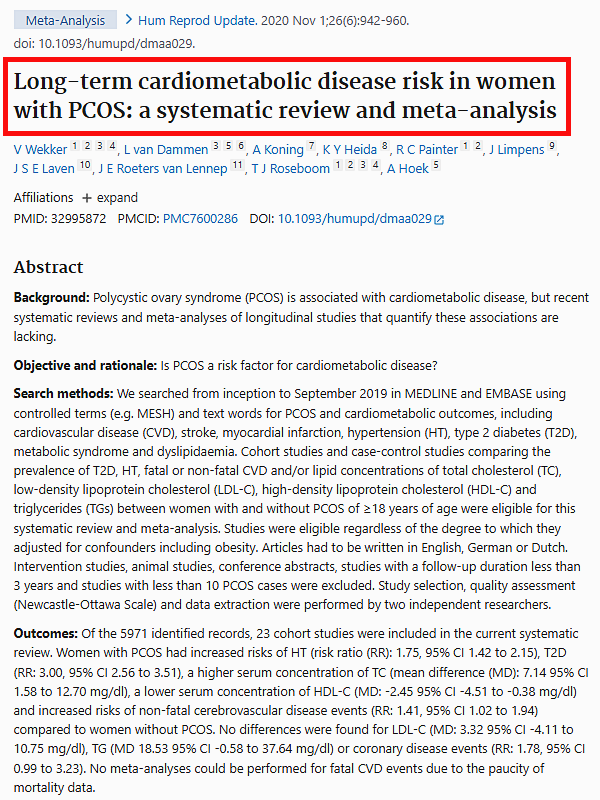
This goes beyond a problem of ovulation: research has confirmed that hormonal imbalance and metabolic dysfunction are intertwined. Besides symptoms such as acne, hirsutism and male-pattern hair loss, it can lead to systemic complications such as cardiovascular and cerebrovascular disease and type 2 diabetes, and several papers warn of this risk.
Why does polycystic ovary syndrome develop?
Polycystic ovary syndrome is a condition in which several small follicles form in the ovary but do not grow properly and do not proceed to ovulation. When the level of androgen, a male hormone, rises, symptoms such as acne, hirsutism and male-pattern hair loss can appear as well, and because the follicles cannot grow enough, periods can become irregular or stop.
Insulin resistance also causes metabolic problems. Polycystic ovary syndrome is associated with systemic metabolic diseases such as cardiovascular and cerebrovascular disease, type 2 diabetes, metabolic syndrome, dyslipidaemia and obesity, and papers have confirmed that the risk is higher. For this reason, management with contraceptive pills is recommended even for unmarried women with no plans for pregnancy.
- Acne, hirsutism and male — pattern hair loss — typical skin and hair symptoms caused by a rise in androgen levels
- Cardiovascular and cerebrovascular disease — the risks of stroke and myocardial infarction are pointed out together in several papers
- Type 2 diabetes and metabolic syndrome — metabolic diseases that can appear together because of insulin resistance
- Dyslipidaemia and obesity — problems that accompany the overlap of hormonal imbalance and metabolic dysfunction
How is it diagnosed?
Even when the same diagnosis of polycystic ovary syndrome is made, symptoms and levels differ widely. An accurate prescription is possible only when the menstrual cycle is checked for infrequent periods or absent periods, together with the level of hyperandrogenism, how the polycystic ovarian appearance shows on ultrasound, and whether there are plans for pregnancy.
The ingredients of the medication can differ according to the patient's condition and age, and in some cases metabolic problems need to be addressed together as well. Even so, the core strategy does not change: it always focuses on returning the hormonal environment to a normal state.
- Checking the menstrual cycle — looking at whether periods are infrequent or absent
- Checking the level of hyperandrogenism — testing whether male hormone levels are raised
- Checking the polycystic ovarian appearance on ultrasound — looking at whether there are several small follicles
Why is a contraceptive pill prescribed, and must it be taken for life?
When polycystic ovary syndrome is diagnosed, a contraceptive pill is the standard prescription. In practice, however, it is closer to management that uses a combined hormone preparation to keep the hormonal environment steady. It serves three purposes, normalising the menstrual cycle, protecting the endometrium and maintaining the hormonal environment, and it is made so that long-term use is not a burden.
Depending on the situation, other medication can be prescribed together from the outset: medication that regulates androgens if hirsutism or acne is a problem, ovulation-inducing medication or monitoring of ovulation timing if pregnancy is being prepared, and insulin-related medication if metabolic disease is present. For this reason, it is important to design management that fits each stage.
Is lifestyle management important too?
In practice, there are many cases in which the hormones of the whole body return to normal as weight changes. Many changes can also occur across daily life, including the food eaten, nutritional status, stress and sleep, so management that addresses these together is needed.
If it is taken lightly and ignored, symptoms such as acne and hirsutism, as well as a chain of problems such as metabolic disease, can arrive quickly. With steady management, however, health can be maintained well, so it is advisable not to leave it but to see a doctor promptly.